
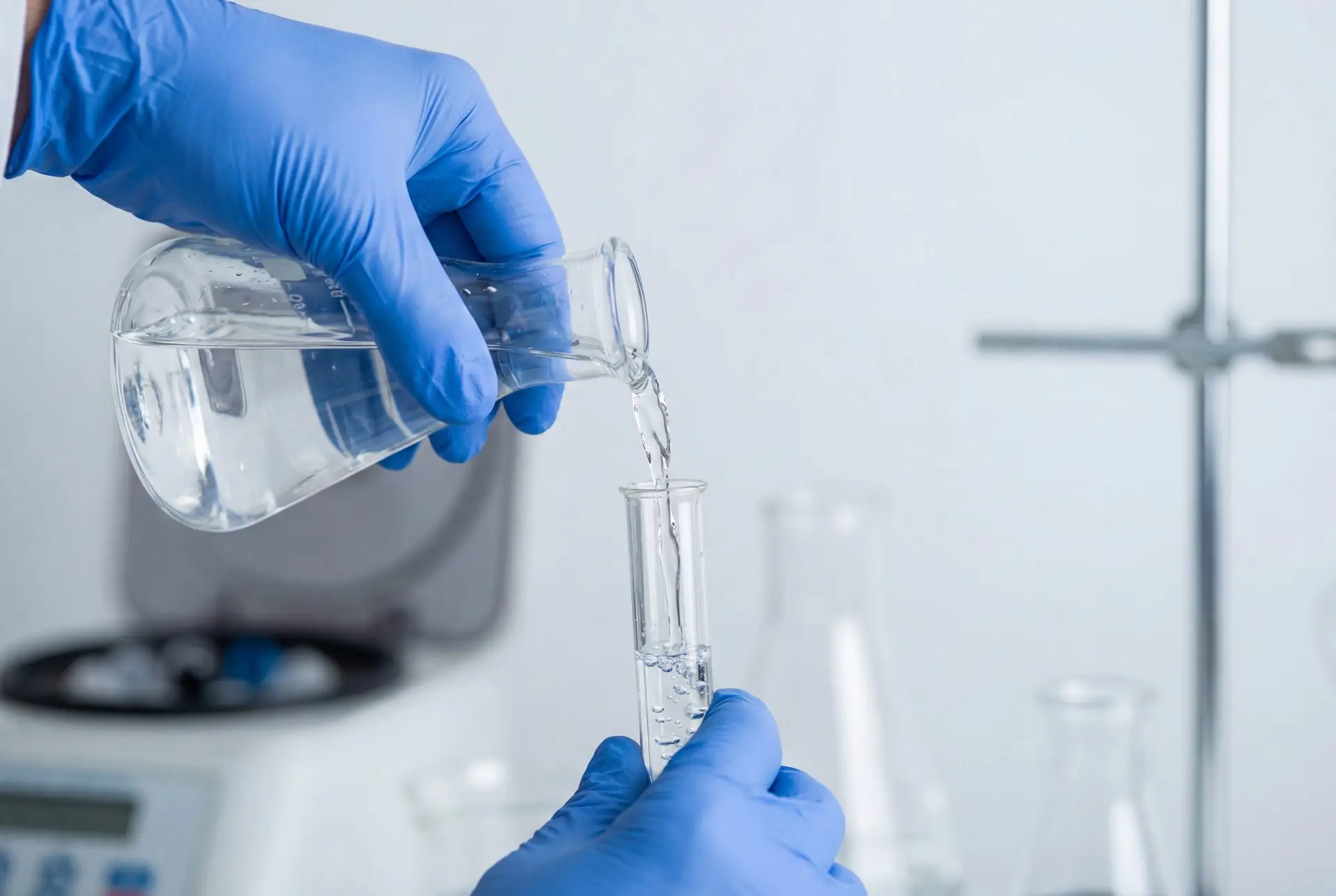
Professional drinking water testing in Manhattan answers a question most residents never think to ask: what happens to tap water after it leaves the treatment plant? In established municipal systems across New York City and northern New Jersey, water is treated to a high standard at the source, yet its quality can shift measurably before it reaches the tap. Along miles of distribution mains and through the plumbing inside individual buildings, water comes into contact with a range of materials that can alter its composition. That gap between the treatment facility and the faucet is exactly why accredited laboratory analysis matters. Visual inspection and basic home test kits cannot reveal contaminants that have no color, odor, or taste, including heavy metals, bacteria, and chemical compounds that require advanced instrumentation to identify and quantify. Certified laboratories work under strict standards and controlled procedures, so every sample is handled and analyzed with the precision and consistency needed to produce results you can act on.
Introduction: Why Laboratory Analysis Matters for Drinking Water
Drinking water quality is often assumed to be consistent and safe, especially in large metropolitan areas like New York City and northern New Jersey where municipal systems are well established. However, the reality is that water quality can change significantly between the treatment plant and the point where it is used. As water travels through miles of distribution systems and then through building-specific plumbing, it may interact with various materials that influence its composition. This is why professional laboratory analysis is essential for accurately evaluating drinking water conditions.
Unlike visual inspection or basic home testing kits, professional laboratory analysis is designed to detect contaminants that are not visible, tastable, or easily identifiable. These contaminants can include heavy metals, bacteria, and chemical compounds that require advanced testing methods. Professional laboratories follow strict standards and controlled procedures to ensure that every sample is analyzed with precision and consistency.
For homeowners, tenants, landlords, and building managers, understanding how laboratories analyze drinking water samples provides valuable insight into the reliability of the testing process. It also highlights the importance of using certified procedures and accredited laboratories to obtain accurate, data-driven results. In urban environments where infrastructure and plumbing systems vary widely, laboratory analysis is the most dependable way to determine water quality and potability.
The Journey Begins: Certified Sample Collection
The process of laboratory water analysis begins with certified sample collection, which is one of the most critical steps in ensuring accurate results. A laboratory can only produce reliable findings if the sample it receives truly represents the water being tested. This is why professional water testing experts follow strict sampling protocols designed to eliminate contamination and maintain consistency.
Sampling locations are carefully selected based on the purpose of the test and the structure of the plumbing system. For example, kitchen taps may be used to evaluate drinking water conditions, while additional points within the building may be selected to assess system-wide issues. In cases where lead testing is required, first-draw samples are often collected to capture water that has been sitting in pipes, providing insight into potential leaching from plumbing materials.
Certified sampling procedures also involve the use of laboratory-approved containers that are specifically designed for different types of analysis. These containers are often sterile or pre-treated to ensure compatibility with testing methods. Proper handling during collection is essential, as even minor contamination can compromise results.
Professional consultants ensure that sampling is conducted according to established standards, creating a reliable foundation for laboratory analysis. By maintaining strict control over the collection process, they help ensure that the data generated by the laboratory accurately reflects real-world water conditions.
Sample Handling and Transportation: Preserving Integrity
Once samples are collected, they must be handled and transported in a way that preserves their integrity. This stage is just as important as the initial collection, as improper handling can alter the composition of the sample and lead to inaccurate results.
Different types of tests require different handling conditions. For bacteria analysis, samples must often be kept at controlled temperatures and delivered to the laboratory within a specific time frame to prevent changes in microbial activity. For chemical and metal testing, containers must be properly sealed and stored to avoid contamination or degradation.
Chain of custody documentation is used to track each sample throughout the process. This documentation records details such as the time and location of collection, the individuals who handled the sample, and the conditions under which it was transported. This level of tracking ensures transparency and accountability, providing confidence that the sample has been managed correctly.
Accredited laboratories rely on proper handling and documentation to verify that samples meet their acceptance criteria. If these standards are not met, the accuracy of the analysis could be compromised. By following certified procedures for handling and transport, professional water testing services ensure that samples arrive at the laboratory in a condition suitable for accurate analysis.
Laboratory Intake and Preparation
When samples arrive at the laboratory, they undergo an intake and preparation process before analysis begins. This step involves verifying the condition of the samples, reviewing chain of custody documentation, and preparing the samples for specific testing methods.
Laboratory technicians first inspect each sample to ensure that it meets the required conditions for analysis. This includes checking for proper labeling, container integrity, and compliance with handling requirements. Any discrepancies are noted and addressed before testing proceeds.
Preparation may involve filtering, preserving, or adjusting samples depending on the type of analysis being performed. For example, certain tests may require the addition of preservatives to stabilize the sample, while others may involve separating particulates or adjusting pH levels. These steps are carefully controlled to ensure consistency across all samples.
Each sample is assigned a unique identifier within the laboratory system, linking it to its documentation and ensuring traceability throughout the analysis process. Quality control checks are also implemented at this stage to confirm that all procedures have been followed correctly.
This preparation phase is essential for maintaining analytical accuracy. By ensuring that samples are properly prepared, laboratories minimize variability and create the conditions necessary for reliable testing.
Analytical Methods: Detecting Contaminants with Precision
The core of laboratory water testing lies in the analytical methods used to detect contaminants. Accredited laboratories employ a variety of techniques, each designed to identify specific types of substances with high precision.
For heavy metals such as lead and copper, laboratories use advanced instrumentation capable of detecting extremely low concentrations. These methods provide detailed information about the presence of metals and their potential impact on water quality. Because these contaminants are not visible, laboratory analysis is the only reliable way to identify them.
Bacteria testing involves microbiological methods that detect indicators such as total coliform and E. coli. These tests often require controlled incubation conditions, allowing technicians to observe microbial growth and determine the presence of contamination. This process is essential for evaluating whether water meets potability standards.
Chemical analysis includes testing for substances such as PFAS, arsenic, and other compounds that may affect water quality. These tests use sophisticated techniques to separate and identify individual chemicals within the sample. The ability to detect these substances at very low levels is critical for comprehensive water evaluation.
By using standardized methods and advanced equipment, laboratories ensure that each type of contaminant is analyzed accurately. This precision is what makes professional laboratory testing far more reliable than basic screening methods.
Quality Control: Ensuring Reliable Results
Quality control is a fundamental aspect of laboratory analysis, ensuring that results are accurate, consistent, and dependable. Accredited laboratories implement multiple layers of quality assurance throughout the testing process, from sample preparation to final reporting.
This includes the use of control samples, calibration of instruments, and duplicate testing to verify accuracy. Laboratories also follow strict protocols to ensure that all procedures are performed consistently. These measures help identify and correct any potential errors before results are finalized.
External validation is another important component of quality control. Laboratories may participate in proficiency testing programs to demonstrate that their methods produce reliable results. This ongoing verification helps maintain high standards of analytical accuracy.
For property owners and managers, these quality control measures provide confidence in the reliability of laboratory reports. Knowing that results are supported by rigorous testing and validation ensures that decisions about water quality are based on accurate information.
Laboratory Reporting: Turning Data into Insight
Once analysis is complete, the results are compiled into a detailed laboratory report. This report provides a comprehensive overview of the contaminants detected, their concentrations, and how they compare to established guidelines for drinking water.
Laboratory reports are designed to present complex data in a structured and understandable format. Each parameter is listed along with its measured value, allowing property owners to see exactly what has been identified in the water. In many cases, reports include reference values that provide context for interpreting the results.
Professional consultants often assist in reviewing laboratory reports, helping clients understand what the findings mean. This guidance is particularly valuable when results indicate potential concerns, as it helps determine whether further action is needed.
The reporting process transforms raw data into actionable insight, enabling homeowners, tenants, and building managers to make informed decisions about water safety and maintenance.
The Role of Professional Consultants in Laboratory Analysis
While laboratory testing provides accurate data, interpreting that data requires expertise. Professional consultants play a key role in bridging the gap between technical analysis and practical understanding.
Consultants review laboratory reports, explain the significance of findings, and help identify potential sources of contamination. They also provide recommendations for further evaluation or maintenance if needed. This support ensures that property owners can take appropriate action based on reliable information.
In complex environments such as multi-unit buildings, consultants help identify patterns and system-wide issues that may not be immediately apparent. Their expertise adds an additional layer of value to the laboratory testing process.
Why Laboratory Testing Is Essential in NYC and Northern NJ
In regions like New York City and northern New Jersey, water quality is influenced by a combination of municipal systems, aging infrastructure, and building-specific plumbing. While municipal water is generally treated to high standards, it can be affected by the conditions it encounters along the way.
Laboratory testing provides a reliable way to evaluate these influences and identify potential issues. By combining certified sampling with accredited analysis, professional water testing services offer a comprehensive assessment of drinking water.
This is particularly important in urban environments where conditions can vary significantly from one property to another. Laboratory analysis ensures that water quality is evaluated accurately, regardless of these variables.
Conclusion: A Complete Scientific Process for Water Safety
Professional laboratories follow a detailed and structured process to analyze drinking water samples, ensuring accuracy at every stage. From certified sampling and careful transport to advanced analytical methods and quality control, each step is designed to produce reliable results.
Understanding this process highlights the importance of professional laboratory testing. It provides the clarity needed to evaluate water quality, identify contaminants, and ensure that drinking water meets potability standards.
For anyone concerned about water safety, laboratory analysis is not just an option—it is the most effective way to gain confidence in the quality of their water.