
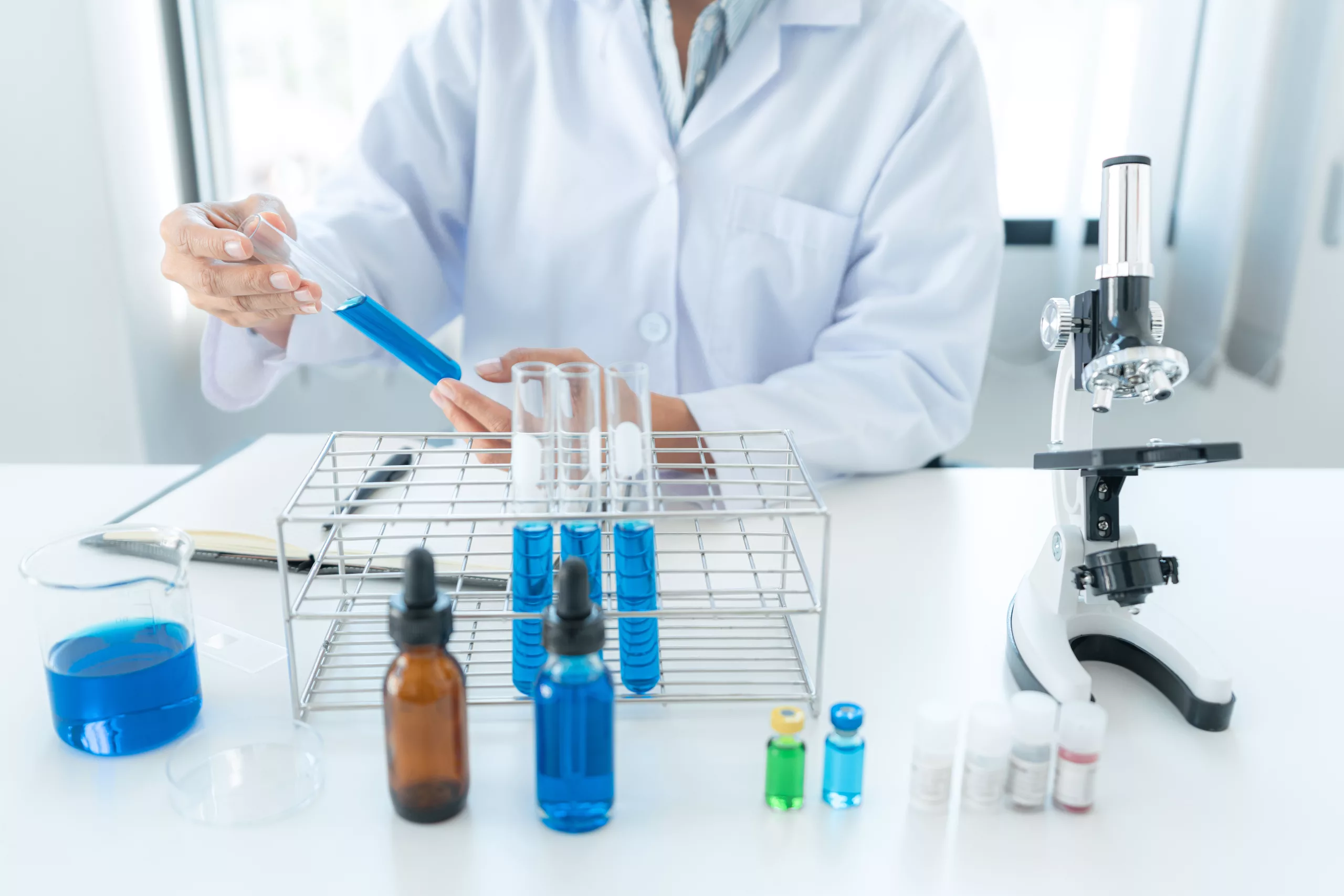
Every time you turn on the kitchen tap, you expect water that is clean, clear, and safe, which is exactly why Certified water testing in NYC plays such an important role: it verifies water quality through an accredited laboratory rather than leaving you to assume the supply reaching your home has been fully vetted. Municipal water systems run their own checks, but a specialized field of analytical science operates behind the scenes to confirm the accuracy of those safety claims. Certification means a laboratory has been formally approved to perform specific analyses using validated methods and controlled procedures, so its results carry professional weight. Once your sample leaves your hands and enters the sterile environment of a testing facility, it is logged, preserved, and analyzed for the contaminants of concern before the findings are reported back to you. Understanding how that process works demystifies your water quality and highlights the value of independent professional oversight.
Beyond the “Clear and Odorless” Test
Many homeowners assume that if water looks clear and smells fine, it is safe to drink. Unfortunately, many of the most dangerous contaminants—such as lead, arsenic, nitrates, and certain bacteria—are invisible, odorless, and tasteless.
A certified water testing laboratory is equipped with sophisticated instrumentation designed to detect these hazardous substances at extremely low levels. These labs do not just look at water; they interrogate it. They identify dissolved minerals, biological pathogens, and synthetic chemicals that are undetectable to the human eye or nose.
The Importance of Certification
Not all testing facilities are created equal. A “certified” laboratory is one that has undergone rigorous third-party auditing to prove it meets specific national or state standards. These certifications ensure that the lab follows strict testing standards to ensure accuracy, consistency, and legal defensibility. When a lab carries a certification, it means they adhere to documented quality control procedures, maintain calibrated equipment, and employ trained professionals who follow standardized analytical methods.
The Journey of a Water Sample
When you submit a sample to a lab, it embarks on a highly controlled journey. The process is designed to ensure the integrity of the sample from the moment it is collected to the moment the final report is generated.
1. Sample Reception and Preservation
The moment a sample reaches the lab, it is logged into a Laboratory Information Management System (LIMS). This tracking is critical. Each sample is assigned a unique identifier, and the lab notes the exact time and condition of arrival.
Depending on the contaminants analyzed, the sample may need immediate preservation. For example, some samples must be kept at specific, chilled temperatures or treated with chemical stabilizers to prevent bacteria from growing or volatile chemicals from evaporating while waiting for analysis.
2. Preparation and Digestion
Not every water sample can be fed directly into an instrument. Many tests require “sample preparation.” This might involve filtering, extracting, or digesting the water to concentrate the potential contaminants so the equipment can detect them. For metal analysis, such as lead or copper, the lab may use acid digestion to break down the water matrix and release the metals into a liquid state that the sensors can read.
3. Analytical Instrumentation
This is where the real “science” happens. Labs use a variety of high-tech machinery, including:
- Gas Chromatography-Mass Spectrometry (GC-MS): Used primarily to identify organic chemicals and pesticides.
- Inductively Coupled Plasma (ICP): The gold standard for detecting metals and elements in water.
- Spectrophotometers: Used to measure the intensity of light to determine the concentration of substances like chlorine or nitrates.
These machines don’t just give a “yes” or “no” answer. They provide precise numerical data, which is then compared against safety guidelines set by agencies like the Environmental Protection Agency (EPA).
Why Accuracy Matters
The primary purpose of a laboratory is to provide data you can trust. If you are a homeowner concerned about your well water quality, the results you receive could be the deciding factor in whether you install a treatment system or continue using your current source.
Inaccurate results can be dangerous—either by giving you a false sense of security about contaminated water or by causing unnecessary alarm and expense. A certified lab mitigates these risks through “Quality Assurance and Quality Control” (QA/QC). This involves running “blank” samples (pure water) to ensure the equipment isn’t contaminated and “spike” samples (water with a known amount of contaminant) to ensure the equipment is measuring accurately.
When Should You Seek Professional Testing?
While municipal providers are required to provide water quality reports, those reports represent the water at the treatment plant, not necessarily at your tap. Pipes, plumbing fixtures, and localized infrastructure can introduce contaminants long after the water has left the plant.
Professional lab testing is highly recommended if:
- You rely on a private well: Unlike city water, well water is not federally regulated. You are responsible for ensuring it is safe.
- You notice changes: Any sudden change in taste, smell, color, or staining on your fixtures should trigger a test.
- You are buying or selling property: A water quality test is a standard part of many home inspections.
- You have vulnerable residents: If you have infants, elderly individuals, or those with compromised immune systems in your home, regular testing is a crucial health precaution.
Connecting with Local Experts
Water issues are often highly localized. Geology, agricultural runoff, and local industrial activities create unique risks for specific areas. When looking for a facility, it is often best to find local labs that understand the regional water challenges. A laboratory that specializes in your specific geography will often have a better understanding of the common contaminants in your area and the best ways to test for them.
If you are unsure where to start or what specific tests your home requires, don’t hesitate to reach out. Many laboratories offer guidance through their FAQ section or provide direct consultations to help you select the right testing package.
Final Thoughts: Data You Can Rely On
A certified water testing laboratory is the bridge between uncertainty and peace of mind. By utilizing advanced technology, strict protocols, and expert analysis, these facilities provide the objective data needed to make informed decisions about the water you drink, cook with, and bathe in.
When you invest in professional testing, you are investing in the health and safety of your household. If you are ready to take that step, you can contact a professional team to discuss your specific needs. Understanding what is in your water isn’t just about curiosity; it’s about taking proactive control of your environment. Whether you are dealing with potential lead pipes or concerned about agricultural runoff, knowing the facts is the first step toward a safer home.