
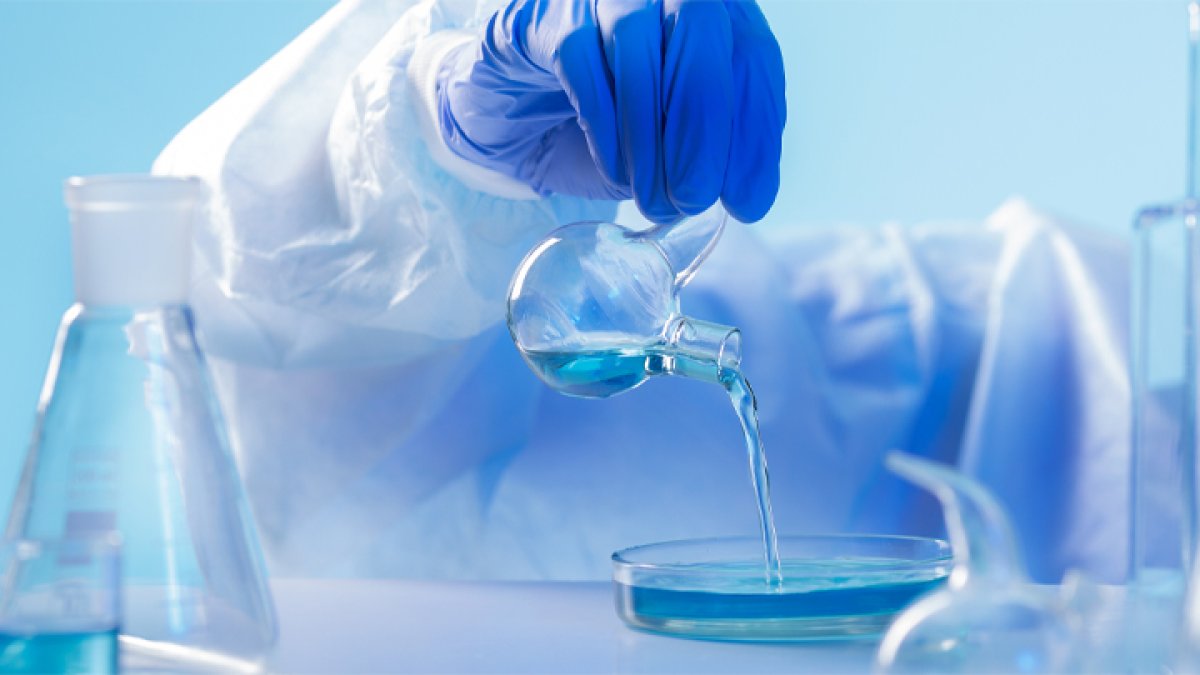
Professional water testing services in Brooklyn exist because water, despite being the most essential resource in any home, is also one of the most chemically complex substances households use every day. Whether your supply comes from a private well, a shared community system, or a municipal utility, its composition changes over time. Many of the most common water quality concerns, including hard minerals, heavy metals, and bacteria, leave no visible trace, so appearance, taste, and smell alone cannot tell you what is actually flowing from your tap. Accredited laboratory analysis solves that problem by applying advanced testing technology and standardized sampling protocols to produce an accurate, evidence-based profile of your water. The sections that follow explain why laboratory testing matters, how the process works from sample collection to results, and what steps you can take to protect your household’s water safety.
Why Professional Testing Triggers Peace of Mind
Many homeowners operate under the assumption that if their water hasn’t caused immediate, noticeable health issues, it must be “fine.” However, many water quality problems develop slowly or present as long-term health concerns. For example, well water users are often unaware that their water chemistry may change significantly due to seasonal rain, agricultural runoff, or changes in the local water table.
Professional analysis is the only way to identify:
- Microbiological Contaminants: Bacteria and viruses that can cause immediate digestive distress.
- Heavy Metals: Elements like lead, arsenic, and copper that can leach into water from aging pipes and fixtures.
- Chemical Impurities: Pesticides, herbicides, and volatile organic compounds (VOCs) that may be present due to nearby industrial or agricultural activity.
- Aesthetic Issues: High concentrations of iron, manganese, or sulfur that cause staining, metallic tastes, or “rotten egg” odors.
Understanding the Laboratory Process
When you engage with a professional laboratory, you aren’t just getting a basic dip-strip test. You are accessing a controlled, scientific environment designed to deliver precise, defensible results. The process generally follows four distinct phases:
1. Collection and Integrity
Professional testing standards begin the moment the sample is collected. Laboratories provide specialized containers, often pre-sterilized or containing chemical preservatives, to ensure that the water sample remains stable during transport. Proper sampling is crucial; even a tiny amount of contamination on your hands or a garden hose can skew the results.
2. Analytical Precision
Once the sample reaches the lab, it undergoes rigorous preparation. Depending on the contaminants analyzed, the water may be digested, extracted, or filtered. Scientists then use high-precision instrumentation—such as mass spectrometers and spectrophotometers—to detect substances at the part-per-billion level. This is the difference between a “home test” that gives a broad estimate and a lab report that provides exact numerical concentrations.
3. Verification and QA/QC
Quality Assurance and Quality Control (QA/QC) are the hallmarks of a reputable lab. Every batch of tests includes “blanks” (to ensure equipment is perfectly clean) and “spikes” (to confirm the equipment is correctly identifying known amounts of contaminants). This verification process is why professional data is considered legally and medically credible, whereas DIY results are generally not.
4. Interpretation and Consultation
A professional service doesn’t just email a spreadsheet of numbers. They translate those results into plain language. If your water shows an issue, they explain what it means, why it might be occurring, and how to address it. Whether you need a simple softener, a reverse osmosis system, or a more complex filtration setup, having expert guidance saves you from wasting money on ineffective solutions.
The Benefit of Localized Expertise
Water quality is not universal. The issues faced by a home in a coastal region are vastly different from those in an agricultural valley or a high-density urban center. This is why it is highly advantageous to find a local lab to conduct your analysis.
Local labs possess “institutional knowledge” of the region’s geology and common contamination sources. They know, for instance, if your area is prone to naturally occurring radon, or if a specific watershed has a history of high nitrates. This localized focus allows them to recommend the most relevant testing packages for your home, ensuring you don’t spend money on tests you don’t need while overlooking the ones you do.
When Should You Schedule a Test?
It is a common misconception that you only need to test your water if you suspect something is wrong. In reality, regular testing is a key component of responsible home maintenance. You should consider scheduling a professional analysis if:
- You are a new homeowner: Always test your well or taps before moving in.
- You notice physical changes: If your water starts tasting metallic, smelling “earthy” or like chlorine, or leaving blue-green stains on your fixtures, it is time for a professional check.
- You are planning a family: Prenatal health and infant development are particularly sensitive to water quality.
- Nearby events: Have there been recent floods, heavy construction, or spills in your neighborhood? Any major shift in local land use can impact groundwater.
How to Get Started
If you are new to the world of water testing, the process is simpler than you might think. Most people begin by browsing an FAQ page to understand the different types of testing packages available. These might range from basic potability tests (checking for bacteria and common minerals) to comprehensive profiles that screen for hundreds of man-made chemicals.
Once you have identified your concerns, the laboratory will provide the necessary sampling kits and clear instructions on how to collect your water. Once the samples are returned, you can typically expect a detailed report back within a few days to a week.
Final Thoughts: Data for Peace of Mind
There is a distinct comfort in knowing exactly what is in your tap water. It moves you from a state of passive anxiety to one of proactive control. Whether you discover your water is pristine or identify a specific issue that requires a filter, you are finally operating based on facts rather than assumptions.
The Environmental Protection Agency (EPA) emphasizes that while public water systems are monitored, individual responsibility remains the last line of defense for domestic water quality. Don’t wait for a “notice” or a health symptom to occur.
If you are ready to take the next step in ensuring the safety of your home, contact a professional team today. By investing in a professional water analysis, you are investing in the health and long-term security of your household. What specific concerns have you noticed with your water quality, and would you like guidance on which testing package is right for your home?