
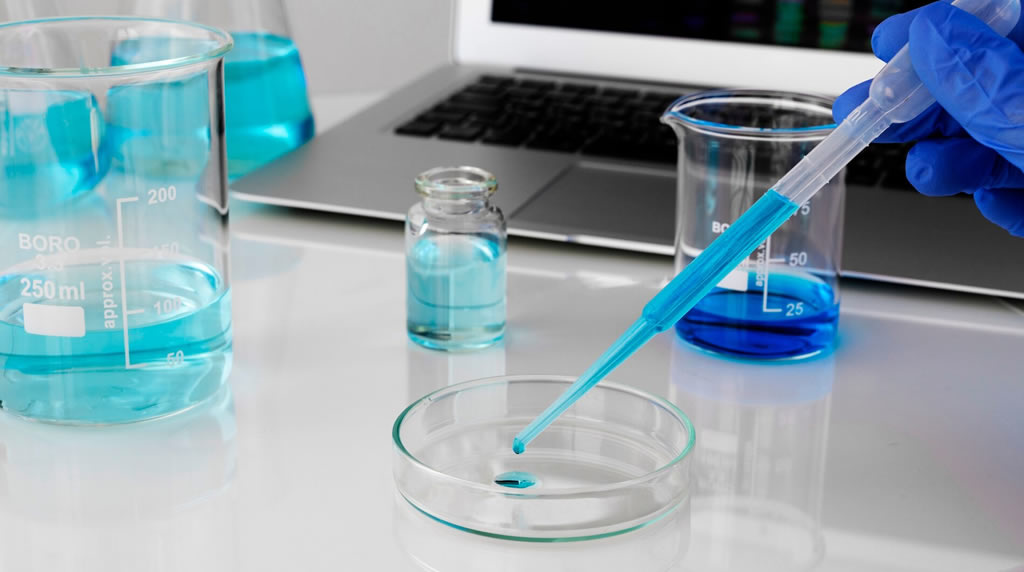
We often think of our water supply as a simple utility—a turn of a handle and the water flows. But behind every safe drop of water, there is a complex, silent process of scientific validation. When you send a sample to a certified facility, it doesn’t just sit in a beaker; it begins a journey through a high-precision, highly regulated environment. Understanding what happens inside a water testing laboratory can help demystify the process and highlight why professional, certified testing is the only way to ensure your family’s safety.
The Arrival: More Than Just a Sample
The process begins the moment your sample reaches the facility. A professional laboratory is not merely a place where scientists look at water under a microscope; it is a logistics and quality-control hub.
When your sample arrives, it is immediately logged into a Laboratory Information Management System (LIMS). This is a critical step in maintaining a transparent testing standard. Every sample is assigned a unique tracking number, recording the date, time, and conditions of arrival. If a sample arrives at the wrong temperature or in an improper container, it is rejected immediately. Why? Because the integrity of the data is paramount. In the world of analytical chemistry, a compromised sample leads to compromised results, and there is no room for error when public health is on the line.
Sample Preparation: The Science of Concentration
Water is, by definition, a solvent. It contains a “matrix” of minerals, dissolved solids, and other compounds. Detecting a single, tiny contaminant—like a trace amount of lead or a specific pesticide—hidden within that complex matrix is like finding a needle in a haystack.
Before the actual testing begins, technicians must perform “sample preparation.” This might involve:
- Acid Digestion: For heavy metals, the sample is treated with specialized acids to break down the water matrix and release the metals into a liquid state that the instruments can measure.
- Extraction: For organic compounds like VOCs, lab staff use solvents to pull the contaminants out of the water so they can be analyzed in isolation.
- Filtration: Removing debris and sediment to ensure that the analytical equipment is not clogged or damaged.
This stage is labor-intensive and requires a clean, controlled environment to prevent “cross-contamination,” where particles from the lab environment could accidentally contaminate your sample.
Inside the “Black Box”: Advanced Instrumentation
Once the sample is prepared, it is introduced to the heart of the laboratory: the instrumentation. This is the “high-tech” portion of the process where invisible contaminants are revealed.
The lab typically utilizes several key pieces of equipment, each designed for a different purpose:
- Inductively Coupled Plasma Mass Spectrometry (ICP-MS): This is the gold standard for heavy metal detection. It can identify elements like arsenic, mercury, and lead at levels as low as parts per trillion.
- Gas Chromatography-Mass Spectrometry (GC-MS): This instrument is used to identify complex organic chemicals. It separates the chemicals in a sample and then identifies them by their unique “molecular fingerprint.”
- Spectrophotometry: Used for measuring the concentration of substances like nitrates or chlorine, these tools pass specific wavelengths of light through the water to determine exactly what is dissolved in it.
These machines don’t just “detect” substances; they quantify them with extreme precision, allowing the lab to compare the levels against health guidelines set by the U.S. Environmental Protection Agency (EPA).
The Hidden Engine: Quality Assurance (QA/QC)
Perhaps the most important work inside the laboratory happens behind the scenes, in a process known as Quality Assurance and Quality Control (QA/QC).
Even the most expensive, high-tech instrument can drift or malfunction. To prevent this, the lab runs a series of “known” samples alongside yours.
- Method Blanks: Pure, contaminant-free water is tested to ensure that the lab’s own process isn’t introducing impurities.
- Spikes: Water with a known, precise amount of a contaminant is tested to ensure the instrument is correctly identifying that specific level.
- Duplicates: A second sample is tested to ensure that the result is repeatable.
If these controls do not fall within strict, predefined ranges, the entire batch of tests is discarded and the process is restarted. This level of rigor is exactly what you pay for when you choose a certified laboratory service. It is the assurance that the number you see on your final report is accurate and scientifically valid.
Why Localized Expertise Matters
While the technology used in labs is highly standardized, water quality issues are often intensely local. Geology, land use, and industrial history play a huge role in what might be in your water.
When you choose a local lab, you are working with professionals who have seen the unique water profile of your specific region. They understand that a home in one county might face different challenges—such as high sulfur or iron—compared to a home just fifty miles away. Their expertise helps you navigate the contaminants analyzed to ensure you are testing for the right things based on your local environment, not just a generic, one-size-fits-all package.
From Data to Decision-Making
After the instruments finish their work and the QA/QC team verifies the data, the results are compiled into a final report. But the job isn’t done yet. For most homeowners, looking at a report full of chemical acronyms and parts-per-million values can be daunting.
The final phase inside a laboratory is communication. Reputable labs provide support to help you interpret those results. If you find something concerning, the lab’s staff can often help you understand the next steps—whether that involves simple maintenance, the installation of a specific type of water treatment system, or a recommendation to contact local municipal authorities.
The Value of Professional Oversight
It is natural to wonder if you could just test the water yourself. However, as we have seen, the science of water quality is a delicate, multi-stage process that requires climate-controlled facilities, specialized machinery, and rigorous audit trails.
When you trust a professional, certified lab, you are tapping into a system designed to protect you from the invisible. You are moving from a state of uncertainty to a position of objective knowledge. You are gaining the tools necessary to make informed decisions about your home’s infrastructure and, most importantly, the health of those who drink from your taps.
If you have been wondering what is truly in your water, or if you have noticed changes in taste, smell, or clarity, it is time to stop guessing. Our professional team is ready to help you navigate the process. By choosing a certified laboratory, you are ensuring that your water quality isn’t just “okay”—it’s verified.
Have you noticed any recent changes in your water’s quality, such as taste, odor, or staining, that have prompted you to consider professional testing?