
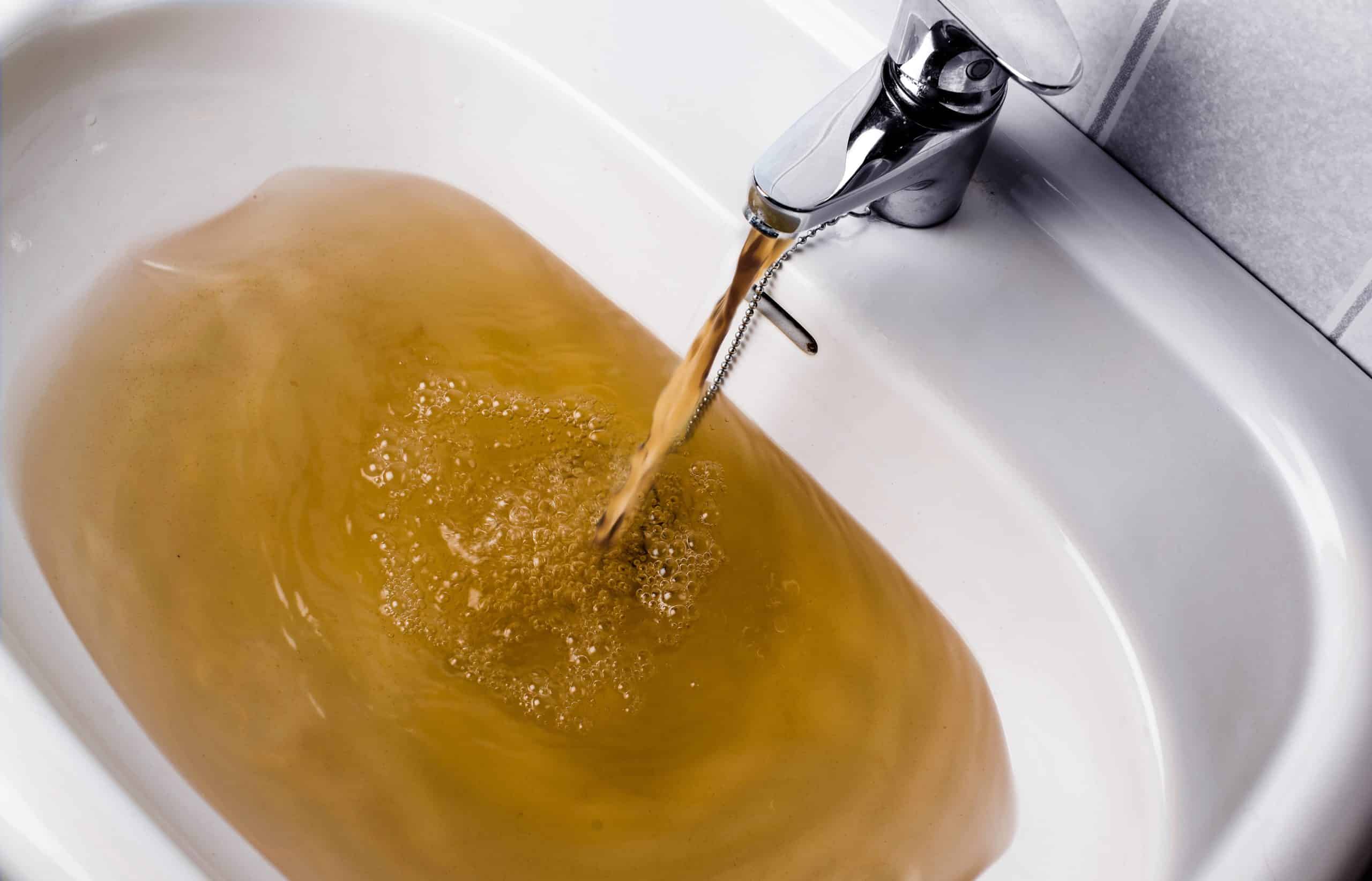
For millions of households, a private well is more than just a water source—it is a symbol of independence. However, that independence comes with a responsibility: as a well owner, you are the primary steward of your family’s water quality. Unlike municipal systems, which are monitored by large agencies, private wells require you to be proactive. Because many common contaminants are odorless, tasteless, and colorless, the only way to truly know what is in your water is through professional laboratory analysis.
Understanding the science behind how a laboratory detects contamination can help you better manage your home’s water safety and recognize when it is time to schedule a test.
The Invisible Threat: Why You Can’t “See” Contamination
One of the most dangerous myths about well water is the belief that if it looks clear and tastes fine, it must be safe. In reality, most of the contaminants that pose the greatest health risks are invisible.
- Bacteria and Viruses: Pathogens like E. coli or coliform bacteria are microscopic. They often enter wells through cracks in the casing or through surface runoff following heavy rain.
- Dissolved Minerals and Metals: Arsenic, lead, and manganese can leach from the surrounding soil or rock into the groundwater. These don’t change the color or clarity of your water until they reach levels that are often far above safety thresholds.
- Chemical Pollutants: Pesticides, fertilizers, and volatile organic compounds (VOCs) from industrial sites are synthetic and often tasteless at low concentrations.
Because your senses are unreliable for detecting these threats, laboratories use advanced analytical methods to “see” what is happening beneath the surface.
How Labs Detect Contamination
When you send a sample to a professional facility, your water undergoes a series of rigorous scientific processes. Laboratories follow strict testing standards to ensure that the results are not just estimates, but scientifically defensible data.
1. Microbiological Analysis
To detect bacterial contamination, laboratories use culture-based methods or molecular techniques. For standard coliform and E. coli testing, a technician places your water sample into a sterile medium that encourages bacterial growth. If these specific bacteria are present, they will produce a visible change, such as a color shift or fluorescence, within 24 to 48 hours. This confirms the presence of fecal contamination or environmental pathogens.
2. Chemical Analysis: Spectroscopy and Chromatography
For chemical contaminants like heavy metals, labs often use Inductively Coupled Plasma Mass Spectrometry (ICP-MS). This instrument is incredibly powerful; it can vaporize a water sample and detect elements like arsenic or lead at parts-per-billion (ppb) concentrations.
For organic contaminants—such as fuel residues or pesticides—laboratories use Gas Chromatography-Mass Spectrometry (GC/MS). This method “tears apart” the molecules in your water and matches their unique chemical “fingerprint” against a library of known toxins. This allows labs to identify specific chemicals that might be present even in tiny amounts.
3. Physical Parameters
Labs also measure physical properties like turbidity, pH, and total dissolved solids (TDS). While these may seem secondary, they act as early warning systems. For example, a sudden spike in turbidity often suggests that surface water is bypassing the natural filtration of the soil and entering the well, which serves as a major red flag for potential bacterial contamination.
The “Chain of Custody” Advantage
A major advantage of using professional laboratory services is the Chain-of-Custody (COC) protocol. A professional lab doesn’t just test your water; it tracks it. From the moment the sample is collected in a sterile, pre-preserved container to the moment it arrives at the lab, every step is documented. This prevents accidental cross-contamination and ensures that the water you collected is the exact same water that was tested.
Why Professional Testing Is Necessary
While DIY test kits exist, they are designed for quick screening rather than health-based diagnostics. They often have high detection limits, meaning they might miss a contaminant that is present at a level high enough to cause long-term health issues.
When you use a certified lab, you are checking your water against the same regulatory benchmarks used for public drinking water. A professional report gives you a clear, actionable picture of your water’s safety, helping you decide whether your filtration system is performing well or if a structural repair to your well is needed. You can review the full range of contaminants analyzed by our experts to see how we help homeowners protect their families.
Local Context Matters
Water quality is influenced by your local environment, the geology of your property, and even the history of the land around you. We work with well owners across many locations to provide context-specific testing. For instance, if your area has a history of industrial activity or intensive farming, our scientists can recommend a targeted panel to screen for specific risks common to your region.
Taking Action
If you are concerned about the quality of your well water, do not wait for a change in taste or smell. If you have recently experienced flooding, made repairs to your pump or pipes, or have vulnerable individuals in your household, it is time for a professional test.
Our FAQ section can help you understand how to collect a clean sample, and when you are ready, please contact us to discuss your needs. By making annual laboratory testing a routine part of your home maintenance, you ensure that your water is not just clear, but genuinely safe for the people who matter most.
Further Reading
- CDC: Guidelines for Testing Well Water – Essential tips on when and how to test your well.
- EPA: Private Drinking Water Wells – Comprehensive resources for private well owners.