
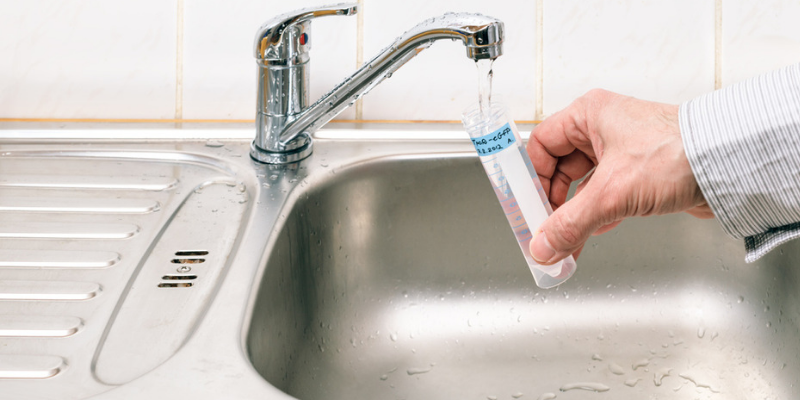
Water quality is often judged by how clear or how good it tastes, yet some of the most serious risks in drinking water are completely invisible, which is why Professional heavy metal water testing in NYC plays such an important role in identifying contaminants that no visual inspection can reveal. Elements such as lead, arsenic, mercury, and cadmium can leach into a water supply from natural geologic deposits or from aging pipes and plumbing infrastructure. Unlike certain biological contaminants, heavy metals do not break down: they persist in the environment and can build up in the body over time. Basic home test strips rarely provide the sensitivity or accuracy needed to detect these substances at meaningful levels, so laboratory analysis remains the reliable standard. Understanding how accredited labs perform heavy metal analysis helps explain why professional testing offers a far more dependable picture of what is actually in your water.
What Are Heavy Metals and Why Do They Pose a Risk?
Heavy metals are naturally occurring elements that have a high density and can be toxic even at low concentrations. While some, like copper or iron, are essential for human health in trace amounts, they become problematic in high doses. Others, like lead and arsenic, have no biological role and are harmful at even minuscule levels.
Common sources of heavy metal contamination include:
- Plumbing Systems: Lead and copper often enter drinking water through the corrosion of old pipes, solder, or fixtures.
- Geologic Sources: In some regions, arsenic or manganese can dissolve into groundwater from the rock formations surrounding a well.
- Industrial Runoff: Manufacturing waste, mining, and improper disposal of industrial chemicals can introduce various heavy metals into local water tables.
Because the health effects—ranging from developmental issues in children to organ damage and nervous system impairment—are so severe, precise measurement is non-negotiable.
The Science of Detection: How Laboratories Measure Metals
Certified water testing laboratories use highly sophisticated analytical techniques to identify and quantify trace metals. These methods are vastly different from the color-change reagents used in DIY kits.
1. Inductively Coupled Plasma Mass Spectrometry (ICP-MS)
This is widely considered the “gold standard” for water testing. ICP-MS is an incredibly sensitive technique that can detect elements at the parts-per-trillion (ppt) level.
The process begins by nebulizing the water sample into a fine mist, which is then injected into a high-temperature plasma torch. This extreme heat breaks the sample down into individual atoms and ions. These ions are then passed into a mass spectrometer, which separates them based on their mass-to-charge ratio. By measuring these ratios, the laboratory can precisely identify and count the atoms of specific metals present in your sample.
2. Inductively Coupled Plasma Optical Emission Spectroscopy (ICP-OES)
Similar to ICP-MS, ICP-OES uses plasma to excite the atoms in a water sample. When these excited atoms return to their ground state, they emit light at specific wavelengths. Because every element emits a unique “fingerprint” of light, the instrument can identify which metals are present and in what concentration by analyzing the intensity of those light emissions.
The Importance of Rigorous Testing Standards
Why can’t you just use a kit from the store? The difference lies in the testing standards that certified labs must uphold.
- Sample Preservation: Metals can easily adhere to the sides of a container or react with other components in the water. Professionals use specific containers and often add preservatives (like high-purity nitric acid) to stabilize the sample, ensuring the concentration remains accurate from your tap to the lab bench.
- Clean Room Conditions: Because heavy metals are present everywhere—including on our skin or in dust—laboratories operate under strict “clean room” protocols to prevent cross-contamination.
- Data Validation: Certified labs don’t just report a number. They perform quality assurance checks, including blank samples (to ensure no contamination during the test) and spike recoveries (to verify the machine is measuring correctly).
Knowing Your Regional Risks
Water quality is a local concern. The geology and history of your specific community largely dictate the types of heavy metals that may be present. For example, homes built before a certain era may be at higher risk for lead leaching, whereas wells in specific rural areas might be prone to higher levels of naturally occurring arsenic.
If you are concerned about your water, you should look at the contaminants analyzed by your local certified laboratory. This allows you to tailor your testing package to the specific risks inherent to your geographic location or home structure.
Taking Proactive Steps
If you suspect your water has issues, or if it has been years since your last test, the best path forward is to consult with professionals. You can find answers to many common questions in our FAQ section, which addresses everything from how to collect a proper sample to how to interpret your results.
Don’t leave the safety of your drinking water to chance. If you are ready to ensure your home or business is protected, please contact us. We can help you navigate the testing process and provide the accurate, certified results you need to make informed decisions for your health and safety.
Disclaimer: This information is for educational purposes only. If you suspect your water is contaminated, contact your local water utility or a certified environmental laboratory immediately. Do not rely on home test kits to make decisions about the safety of your drinking water.