
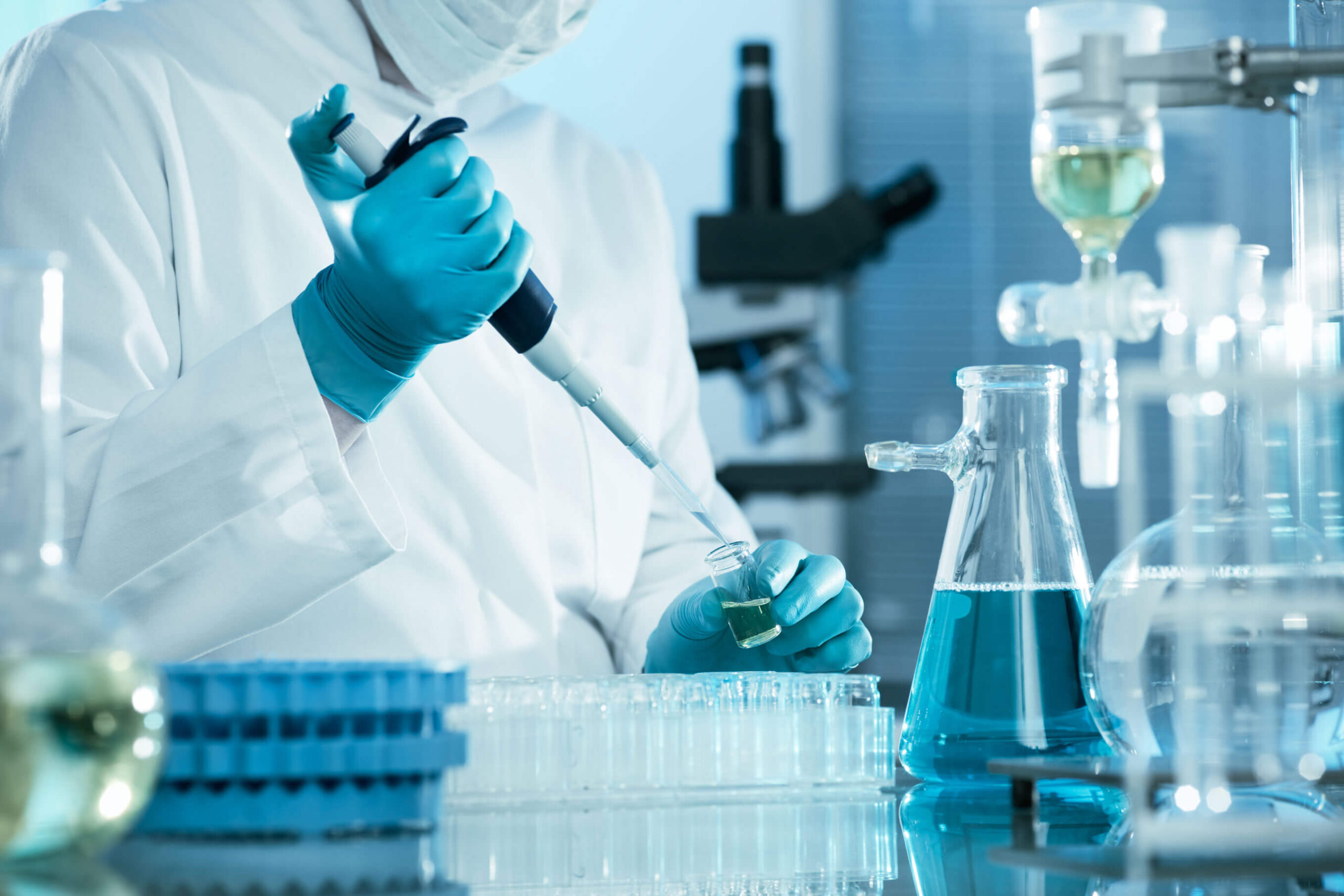
A glass of tap water can look perfectly clear and still hide contaminants, which is why Professional environmental water testing in the Bronx plays such an important role in confirming what your water actually contains. In water quality science, “clear” and “clean” are not the same thing. Some of the most hazardous substances, including lead, arsenic, volatile organic compounds (VOCs), and certain pathogenic bacteria, are invisible to the naked eye. They have no color, no odor, and no distinct taste, so no amount of visual inspection will reveal them. Detecting them requires the high-precision setting of a certified water testing laboratory, where advanced analytical chemistry, disciplined sampling protocols, and specialized instrumentation work together to identify and measure exactly what is present in your water.
The Challenge of the Invisible
Before we look at the technology, it is important to understand why detection is so difficult. Contaminants often exist in water at the “parts per billion” (ppb) or even “parts per trillion” (ppt) level. To put that in perspective, one part per billion is roughly equivalent to a single drop of water in an Olympic-sized swimming pool.
Research Communities – Springer Nature
Because these substances are present in such minute quantities, traditional observation is impossible. Scientists must rely on specialized tools that can isolate, identify, and quantify these microscopic particles. Whether you are dealing with well water quality concerns or municipal supply anxieties, the laboratory’s job is to pull back the curtain on these silent hazards.
Tap Score water test
The Arsenal of Analytical Instrumentation
To detect contaminants at such low concentrations, laboratories employ a variety of high-end analytical machines. Each is designed to target a specific type of chemical or biological threat.
Tap Score water test+ 1
1. Mass Spectrometry (ICP-MS and GC-MS)
Mass spectrometry is the workhorse of the modern lab.
- ICP-MS (Inductively Coupled Plasma Mass Spectrometry): This is the gold standard for detecting heavy metals like lead, mercury, and arsenic. The sample is ionized in an extremely high-temperature plasma, and the mass spectrometer separates these ions based on their mass-to-charge ratio. This allows the lab to identify exactly which metals are present and in what exact concentration. Labolytic+ 1
- GC-MS (Gas Chromatography-Mass Spectrometry): Used for organic contaminants like pesticides and solvents. The gas chromatograph separates the complex mixture of chemicals, and the mass spectrometer identifies them one by one. Tap Score water test
2. Spectrophotometry
For substances like nitrates or chlorine, labs often use UV-Visible spectrophotometers. These instruments pass a beam of light through the water sample. Because different substances absorb light at specific wavelengths, the instrument can measure exactly how much of a contaminant is present based on how much light is absorbed.
Labolytic+ 1
3. Biological Testing
While chemistry is vital, biological threats require a different approach. Labs perform specialized cultures or DNA-based tests to detect microorganisms like E. coli or Giardia. These tests allow the lab to identify the presence of living organisms that might have entered your water supply through sewage leaks or runoff.
Accurate Testing Labs+ 1
The Integrity of the Sample: The Foundation of Accuracy
Even the most expensive, advanced equipment is useless if the sample provided to the lab has been compromised. The accuracy of a water analysis begins long before the sample hits the machine.
- Proper Preservation: Many contaminants are volatile or unstable. If a sample is left in a warm car or exposed to sunlight, certain chemicals might degrade or evaporate before they can be measured. Laboratories provide specific containers—often containing chemical preservatives or requiring refrigeration—to “freeze” the state of the water at the moment it was collected.
- Chain of Custody: To ensure that the water you collected is the same water being analyzed, labs follow strict chain-of-custody protocols. This documentation tracks the sample from the moment it leaves your tap until it arrives at the facility, ensuring the integrity of the data. SanAir
Why Local Context Matters
While the technology used in labs is globally standardized, the application of that technology is often tailored to the local environment. Geology, local industrial history, and regional agricultural practices dictate the types of contaminants most likely to be found in your area.
When you find a local lab, you are working with professionals who understand the regional “fingerprint” of water quality. They know which contaminants are common in your watershed and which testing packages will provide you with the most relevant information for your specific home or business.
Making Sense of the Results
The final stage of the process is the report. Receiving a document filled with chemical names and numerical data can be overwhelming. This is why a reputable laboratory is more than just a data-generating machine; it is a resource for interpretation.
If you have questions about your results—whether they show high levels of minerals or a concerning detection of a man-made chemical—the laboratory’s FAQ and support resources are designed to help you understand what the numbers mean for your health and what steps you can take next, such as installing a specialized filtration system.
Taking Action
If you are worried that your water might harbor invisible threats, the first step is to stop guessing. Visual inspections and “smell tests” are fundamentally inadequate for ensuring safety. Professional testing provides the objective, scientific evidence you need to make informed decisions for your family’s health.
Food, Water & Air Testing Blogs by Equinox Labs
When you are ready to gain clarity on your water quality, contact our team to discuss your concerns. Our laboratory is equipped with the latest instrumentation to detect the full spectrum of water contaminants, ensuring you have the information you need to keep your water clean, safe, and truly clear.