
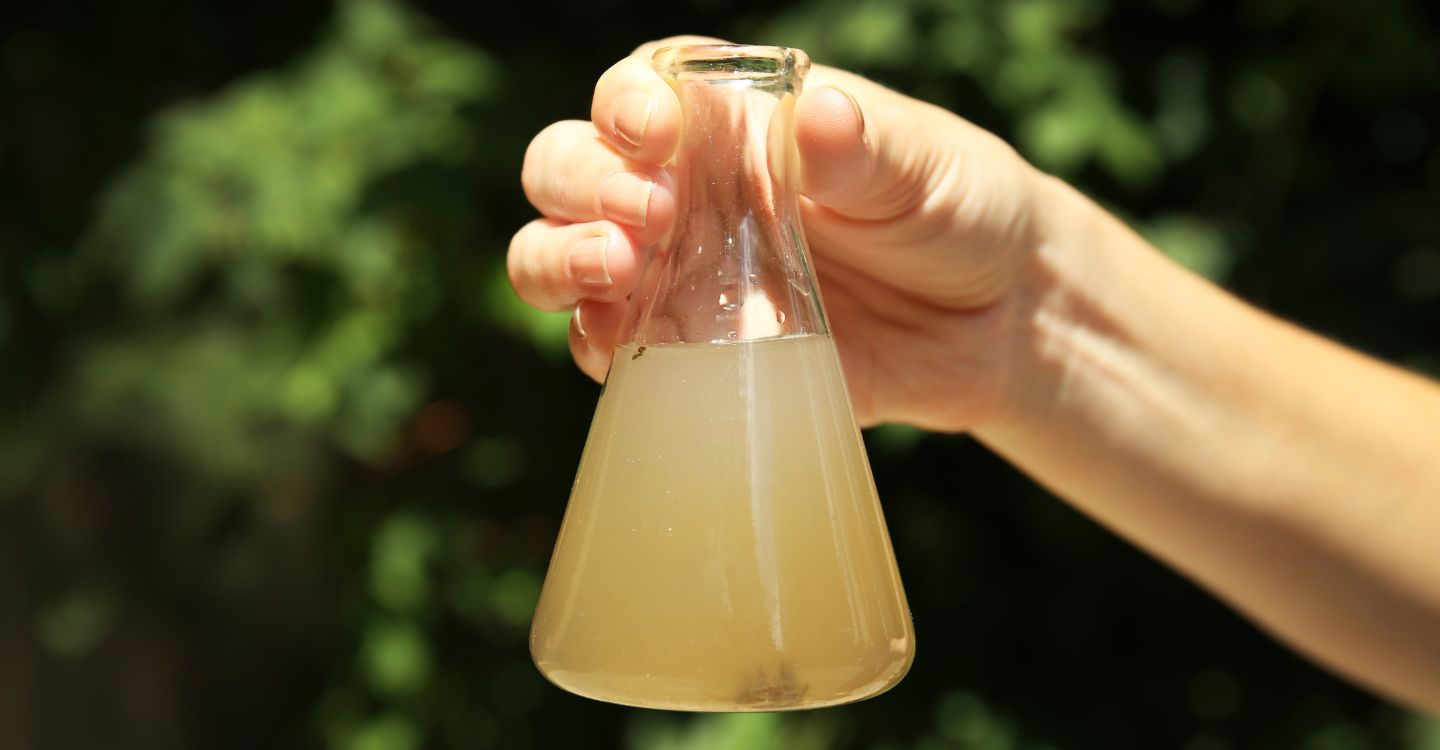
When you submit a sample for Accredited water testing in Queens, you are buying more than a printed report: you are buying the truth about what is in your water. Behind every result sits a rigorous system most clients never see, yet it is the most important part of the entire process. That system is Quality Assurance and Quality Control (QA/QC), the framework of documented procedures, verification steps, and internal checks that laboratories rely on to confirm that each measurement is accurate. In water science, QA/QC is far more than a regulatory box to tick; it is what transforms a simple bottle of water into reliable, legally defensible, actionable data. For homeowners, private well owners, and commercial facility managers, understanding how these controls work is what separates guessing about water safety from knowing it with scientific certainty.
Defining QA/QC: The Safety Net of Science
While the terms are often used interchangeably, there is a distinct difference between Quality Assurance and Quality Control.
- Quality Assurance (QA): This refers to the “big picture” plan. It encompasses the policies, standard operating procedures (SOPs), and the training programs that ensure the laboratory is organized to produce high-quality work. QA is about process.
- Quality Control (QC): This refers to the specific, technical activities performed at the “bench” level to verify that the results are accurate. QC is about measurement. It is the daily “proof” that the equipment is working correctly.
A laboratory without a rigorous QA/QC program is like a ship without a compass. You might get somewhere, but you can never be sure if you are headed in the right direction. When you use laboratory services, you are paying for that compass.
The Pillars of Laboratory Quality
How does a professional lab prove its work is accurate? It relies on several key scientific pillars that are built into every test we run.
1. Calibration and Instrument Maintenance
Modern analytical instruments, such as those used for identifying contaminants analyzed, are incredibly sensitive. A deviation of even a fraction of a percent can lead to inaccurate results. Scientists perform daily calibration using certified reference materials—substances with known concentrations—to verify that the instruments are “reading” correctly. If an instrument drifts, it is taken offline and serviced before another sample is processed.
2. The Use of “Blanks” and “Spikes”
To ensure there is no background contamination, labs run “blanks”—samples of pure, deionized water—alongside your actual sample. If the lab’s own air or equipment introduces a contaminant into the blank, the scientist knows that the laboratory environment is not pristine, and the test is invalidated. Similarly, “spikes” involve adding a known amount of a contaminant to a sample to see if the machine can “find” it. If the instrument can’t find a known amount, it certainly can’t be trusted to find an unknown one in your water.
3. Strict Documentation and Chain-of-Custody
Quality control isn’t just about chemistry; it is about accountability. Every sample is tracked through a rigorous documentation process, ensuring that the identity, time of collection, and storage conditions of your water are never in doubt. This adherence to testing standards is what makes laboratory reports admissible in court or acceptable to municipal regulatory bodies.
Why DIY or “Quick-Test” Kits Fall Short
It is common to see inexpensive test kits at local hardware stores. While these are fine for a very rough, informal “check,” they lack the QA/QC framework that makes professional results meaningful.
A home test strip has no way to prove it was manufactured correctly, no way to verify its sensitivity, and no “blanks” to ensure it hasn’t been cross-contaminated on the store shelf. When your family’s health is at stake—especially if you are dealing with potential risks like lead, arsenic, or nitrates—the “close enough” results from a home kit are rarely sufficient. Professional labs provide the precision needed to actually make health-based decisions.
Regional Expertise and Quality
Water safety is an intensely local issue. The specific pollutants we test for in one of our many locations may be entirely different from the concerns in another. Our QA/QC protocols are designed to be flexible enough to handle this regional diversity, ensuring that whether we are testing a mountain stream or a private well, the scientific rigor remains constant.
Our experts understand the environmental context of your water. They know, for example, that certain geological features might naturally interfere with specific tests, and they adjust their QC procedures to account for those interferences. This local knowledge, paired with global laboratory standards, provides a level of service that a remote or general-purpose testing center simply cannot match.
Taking Control of Your Water Quality
If you are wondering why your test results are presented the way they are, or why we ask specific questions during the sampling process, it is all part of the QA/QC system. We are happy to demystify these steps. If you have questions about our internal processes, our FAQ section covers the most common inquiries we receive regarding how we ensure data integrity.
When you are ready to ensure that your home’s water is measured by the best science available, please contact us. We pride ourselves on the transparency and the scientific integrity of our results.
The Bottom Line: Trust in the Process
Quality Assurance and Quality Control are the “invisible” ingredients in your water report. They are the reasons why a scientist’s signature on your report holds weight, and why you can have absolute confidence when you fill your glass. In an era where data is everywhere, the quality of that data is what truly matters. By choosing a professional, certified laboratory, you are choosing a partner that puts accuracy and integrity at the forefront of every test, every day.
Further Reading
- EPA: Quality Assurance and Laboratory Testing
- National Environmental Laboratory Accreditation Conference (TNI): Standards for Laboratory Documentation
- ASTM International: Standard Practices for Water Quality
Do you have concerns about the water quality at your property? Reach out today to schedule a professional, quality-assured consultation.