
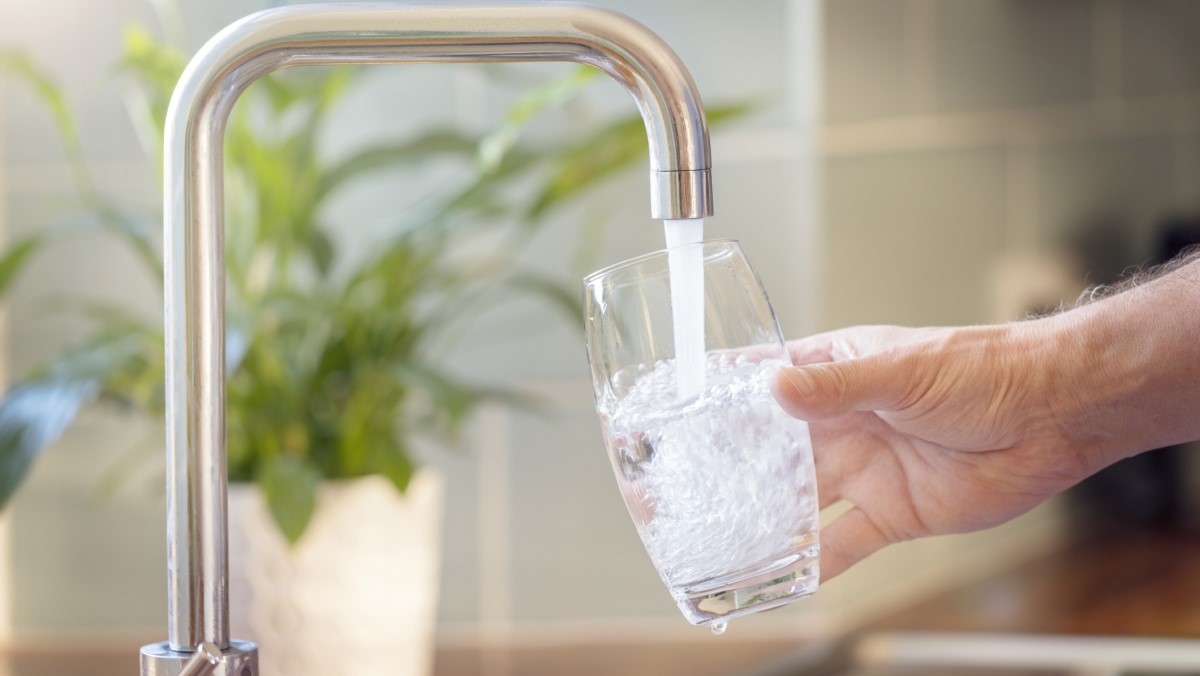
For most homeowners, the integrity of their private well or home plumbing system is an “out of sight, out of mind” convenience. We expect clear, safe water to flow whenever we turn a handle. However, when the unexpected occurs—a severe storm causes localized flooding, or a pipe bursts in the basement requiring major repairs—that sense of normalcy is disrupted.
While most people focus on the physical damage to their home, the safety of their water supply often becomes an afterthought. Yet, these are the exact moments when your water is most vulnerable to contamination. Understanding why professional laboratory testing is vital after these events can protect your family from hidden health risks.
The Hidden Risks of Flooding
When the ground around your well becomes saturated or flooded, the standard barrier between your wellhead and the environment is compromised. Groundwater is designed to be filtered by layers of soil and rock before it reaches your well, but flooding creates a “shortcut” for contaminants.
Surface water, which can be teeming with bacteria, viruses, pesticides, and other pollutants, can seep down alongside the well casing or through a compromised well cap. Once these contaminants enter your well, they can persist in the standing water, creating a risk long after the floodwaters have receded.
What Could Be in the Water?
- Pathogens: Bacterial contamination, such as E. coli or coliform, is the most immediate risk following a flood. These organisms can cause severe gastrointestinal illness.
- Chemical Runoff: If you live near agricultural or industrial areas, floodwater can carry fertilizers, pesticides, and industrial solvents into your well.
- Sediment and Turbidity: Flooding often brings a surge of silt and clay, which not only affects the aesthetic quality of your water but can also shield bacteria from common disinfection methods.
The Often-Overlooked Risk of Plumbing Repairs
Many homeowners assume that if they hire a professional plumber to fix a burst pipe or replace a pressure tank, the water is automatically “safe.” Unfortunately, this is a dangerous assumption.
Plumbing systems are essentially an extension of the well environment. When a system is opened for repairs—even for a simple component replacement—there is a risk of introducing environmental contaminants into the pipes. Hands, tools, and replacement parts that have been exposed to the air or ground can introduce bacteria into a system that was previously clean.
Furthermore, some materials used in plumbing repairs, if not properly flushed or if of poor quality, can contribute to lead or copper leaching. A post-repair water test provides the scientific verification that the work was done cleanly and that the system remains safe for consumption.
Why Professional Lab Testing Is Non-Negotiable
You might be tempted to use a home test kit to save time after a stressful event like a flood or a home repair. However, these kits are often limited in scope and accuracy. When you are dealing with a potential health risk, “good enough” is not the standard you should aim for.
Professional laboratory services offer a level of rigorous accuracy that provides real peace of mind. By using a certified lab, you ensure that your water is tested according to national testing standards, which are designed to detect contaminants at the parts-per-billion level.
A professional report gives you:
- Scientific Reliability: You are getting results backed by calibrated instrumentation, not a subjective interpretation of a color-coded test strip.
- Comprehensive Screening: You can request a panel that covers the most likely contaminants analyzed for your specific situation, whether that is a standard “potability” check or a more in-depth scan for chemical pollutants.
- Legal and Insurance Documentation: In many real estate or insurance claims, you will need proof that the water was tested and cleared by a professional entity. A lab report provides that essential documentation.
Navigating Your Specific Needs
Water quality issues are almost always local. The geology of your property, the age of your well, and the intensity of the event (whether it was a minor pipe leak or a major property-wide flood) all influence what you need to test for.
Our team works with homeowners in various locations to provide tailored guidance. We understand that after a disaster or a repair, you want clear answers, not technical jargon. We strive to make the testing process as seamless as possible so you can return to a normal routine without lingering doubts about your family’s health.
Steps to Take After an Event
- Do Not Drink the Water: If you suspect your well has been flooded or if a major repair has exposed the system, stop using the tap water for drinking, cooking, or brushing your teeth until you have been cleared by a test.
- Consult the Experts: Visit our FAQ section for guidance on how to collect a sample and what initial steps to take.
- Schedule a Test: Contact us to discuss the event. We will help you select the correct sampling kits and ensure that your sample is handled and transported correctly.
- Wait for Results: While waiting for the lab results, use an alternative source of water like bottled water. The time spent waiting for a laboratory-certified result is a small investment in the long-term safety of your home.
Protect Your Most Important Resource
Your home’s water is its lifeblood. It is easy to take it for granted until an event forces us to confront its fragility. By making laboratory testing a standard part of your post-flood or post-repair routine, you are acting as a proactive steward of your home’s health.
Don’t guess when it comes to your family’s well-being. Let professional science provide the clarity you need. Whether you are dealing with the aftermath of a storm or finishing up a home renovation, we are here to help you ensure that the water in your pipes is as clean and safe as it should be.
Further Reading
- US Environmental Protection Agency (EPA): What to Do After a Flood
- Centers for Disease Control and Prevention (CDC): Cleaning and Disinfecting Wells
Has your property recently experienced flooding or extensive plumbing work? Reach out to us to schedule your water quality analysis today.