
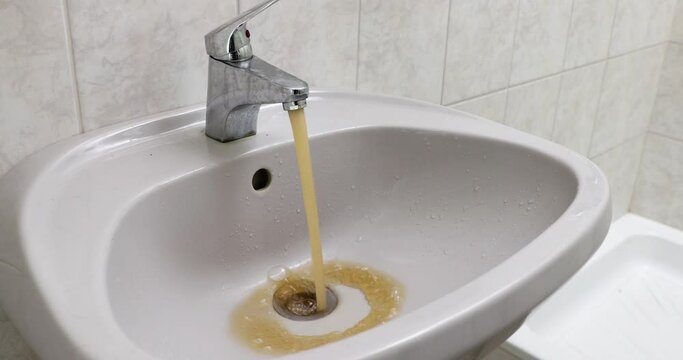
In a multi-floor Brooklyn brownstone, one sample from the nearest kitchen sink rarely tells the whole story, which is why Brooklyn building water testing specialists focus on representative sampling: matching each sample to the specific concern, selecting the fixtures that matter most, and identifying the conditions that can influence a result. A single property may combine a garden-level sink, a parlor-floor kitchen, upper-floor bathrooms, older service entry points, and recently replaced fixtures, so water quality can vary from tap to tap even when the visible condition of a room looks fine. Taste, color, and the age of the building are unreliable guides on their own. A laboratory approach converts guesswork into documented information that can be reviewed, compared over time, and acted on. Homeowners, parents, tenants, and other building residents can start by reviewing the laboratory services available to them, then mapping out which fixtures they rely on most in daily life and planning testing accordingly.
Why the concern deserves a structured test plan
A good water testing plan connects the concern at the sink with the type of sample, the timing of collection, and the results that will be most useful afterward. In this situation, the issue is not simply whether the water looks clear at one moment. A clear glass can still leave questions unanswered, while discolored water does not automatically prove one exact contaminant. For brownstone owners and families in Brooklyn, the better question is what the sample should be designed to reveal. That is especially important when the concern may involve lead, copper, stagnation.
Strong water testing starts with context. When did the concern begin? Does it happen after water sits overnight? Is it only at one sink or across the property? Did it follow a renovation, plumbing repair, street work, or fixture replacement? These details help shape the sample plan before the bottle is filled. Without that context, a report may still be accurate for the water collected, but less useful for the household decision that started the search.
Families can also review EPA information about lead in drinking water for broader background. Additional context is available from EPA research and lead sampling information. These resources are helpful because they show why water concerns are not all the same. Health-related contaminants, nuisance conditions, and plumbing-related metals need different forms of attention. A local laboratory plan brings those categories into one practical conversation instead of leaving the family to interpret scattered information alone.
Choosing sample points that match real household use
Selecting only the easiest faucet can miss the fixture most relevant to drinking water use or the branch line most likely to show metal pickup after stagnation. The sink used for drinking water may not be the same as the bathroom faucet used by children every morning. A recently installed fixture may behave differently from an older one upstairs. In some homes, the most convenient faucet is not the most representative location. A better plan considers how the water is actually used and which point would answer the most important question.
For example, a kitchen cold-water tap may be most relevant for cooking and drinking, while another fixture may be important if the complaint appears only in a bathroom or after water sits unused. In larger homes, multi-unit buildings, and older properties, branch lines and fixture histories can vary. That variation is one reason families should not treat a single result as the full story unless the sample location was selected carefully.
Before collecting, it helps to review the laboratory’s testing standards so the sample follows the method required for the concern. Timing, bottle type, preservation, handling, and chain of custody can all affect how useful the final report is. Even when the process seems simple, careful collection protects the value of the result.
What the laboratory may look for
The right panel depends on the reason for testing. For a representative sampling concern, the laboratory may focus on lead, copper, stagnation, branch lines, fixture variation. Some of these items relate to health questions, while others help explain taste, staining, color, particles, or corrosion behavior. The best test is not always the largest panel. The best test is the one that answers the family’s real question without ignoring related conditions that could change the interpretation.
Lead and copper are often considered together because both can be influenced by plumbing contact and corrosion conditions. Iron and manganese may be more closely associated with discoloration, sediment, or taste complaints. Bacteria testing may become important when there is a sanitary concern, while PFAS, arsenic, and other contaminants may be relevant in broader potability discussions. Families can review the site’s contaminants analyzed page to understand which categories may fit their concern.
Official public resources are useful for learning general water quality concepts, but they do not replace property-specific sampling. A neighborhood may have good public water quality while an individual fixture still raises questions because of the private plumbing inside the property. Laboratory testing is the bridge between general information and the actual tap a family uses.
How results become useful after testing
The value of testing is not only the report. The value is the decision it supports, especially when a family needs to know what to do next. A number on a report should be read alongside the sample point, date, collection conditions, and reason for testing. If the result came from a first-draw sample, it may say something different than a flushed sample. If it came from one fixture, it may not describe another fixture on a different floor. Context keeps the report from being overread or underused.
Families should look for patterns. Did one metal appear elevated while others were low? Did the water show signs that support the taste, color, or particle complaint? Does the result suggest a fixture-level issue, a branch-line concern, or a need for broader evaluation? These questions can guide the next conversation with a plumber, property manager, landlord, or local water professional. The laboratory result becomes a practical tool rather than a confusing document.
Results can also help families decide whether they need follow-up testing. Sometimes one well-planned sample provides enough direction. In other cases, comparing two fixtures, testing after flushing, or sampling after a repair may make the picture clearer. The important point is that follow-up should be based on what the first result shows, not on fear or guesswork.
What Brooklyn households can do before scheduling
Before reaching out, residents can write down the details that may matter: which faucet is involved, how long the issue has been happening, whether hot and cold water behave differently, whether children use that fixture, and whether any plumbing work occurred recently. Photos of discoloration, particles, or staining can also help explain the concern. These notes make it easier to select the right sample point and avoid collecting water that does not answer the actual question.
It is also helpful to decide what decision the family needs to make after the results arrive. A parent may want to know whether a child’s drinking water fixture should be tested for lead. A homeowner may want to confirm whether a repair changed the water profile. A tenant may need clearer information before speaking with a property manager. The question behind the test should guide the panel, not the other way around.
Families comparing options across the region can review available service locations and common questions before collecting a sample. If the concern is urgent, unusual, or tied to children’s daily use, it is usually better to ask for guidance before collection. That helps protect the value of the test and reduces the chance of needing to repeat collection because the wrong point was chosen.
A clearer next step for the household
A smarter plan looks at how the home is actually used and chooses sample points that match the concern, not just the closest faucet. Water testing does not need to make the situation feel more complicated. When it is planned well, it makes the concern easier to discuss. It gives the household a record of what was tested, where the sample came from, and which result deserves attention. That is far stronger than relying on a filter ad, a neighbor’s guess, or a general online explanation that may not match the property.
For brownstone owners and families in Brooklyn, the most useful testing is local, specific, and tied to the way the home is actually used. Start with the main concern, choose the sample point carefully, include related contaminants when they matter, and read the results in context. When the household is ready to plan the next step, it can contact the laboratory team for help matching the right test to the right water question.