
Understanding Multi-Panel Water Testing Packages
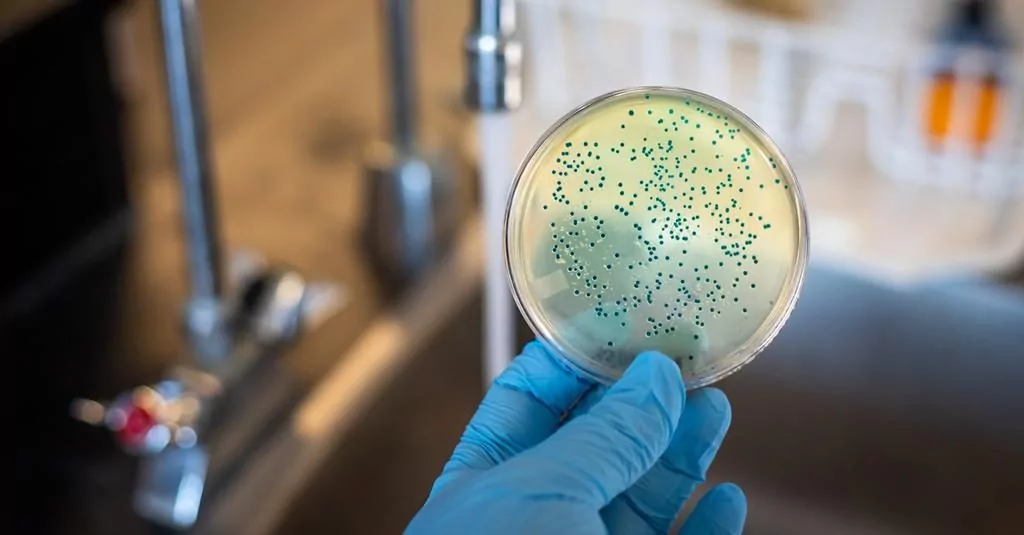
For homeowners who rely on a private well, or even those on municipal systems who want a deeper look at their tap water, the sheer volume of potential contaminants can be overwhelming. You might hear terms like “nitrates,” “VOCs,” “total coliform,” and “heavy metals.” It can be difficult to know where to start or which […]
How Labs Detect Contamination in Well Water Systems

For millions of households, a private well is more than just a water source—it is a symbol of independence. However, that independence comes with a responsibility: as a well owner, you are the primary steward of your family’s water quality. Unlike municipal systems, which are monitored by large agencies, private wells require you to be […]
The Importance of QA/QC in Water Testing Laboratories

When you submit a sample for Accredited water testing in Queens, you are buying more than a printed report: you are buying the truth about what is in your water. Behind every result sits a rigorous system most clients never see, yet it is the most important part of the entire process. That system is […]
Water Quality Standards Explained by Certified Labs
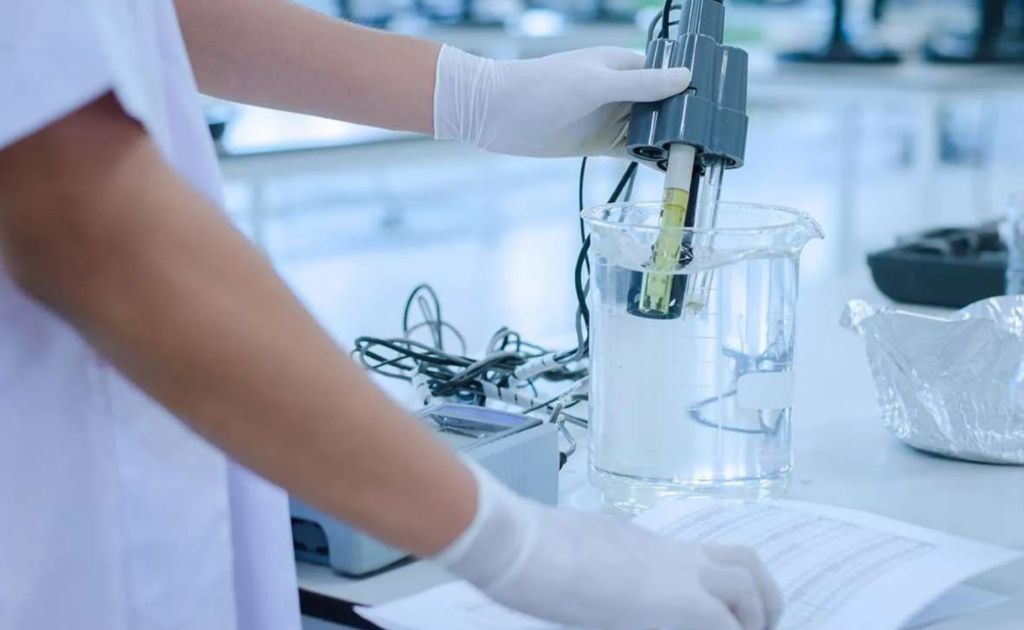
When you look at a water quality report, you might see a series of numbers paired with terms like “MCL,” “Action Level,” or “mg/L.” To the average person, these can feel like a foreign language. However, these figures are not arbitrary—they are the foundation of public health protection. Understanding these standards is the first step […]
How Laboratories Test Water for Industrial and Commercial Use

Residential water analysis usually answers one question: is the water safe to drink? In industrial and commercial settings, the question is far broader, which is why Professional commercial water testing in the Bronx examines water as an ingredient, a coolant, a solvent, and a medium that carries heat and chemicals through a facility. Because water […]
Emerging Contaminants Water Labs Are Now Testing For
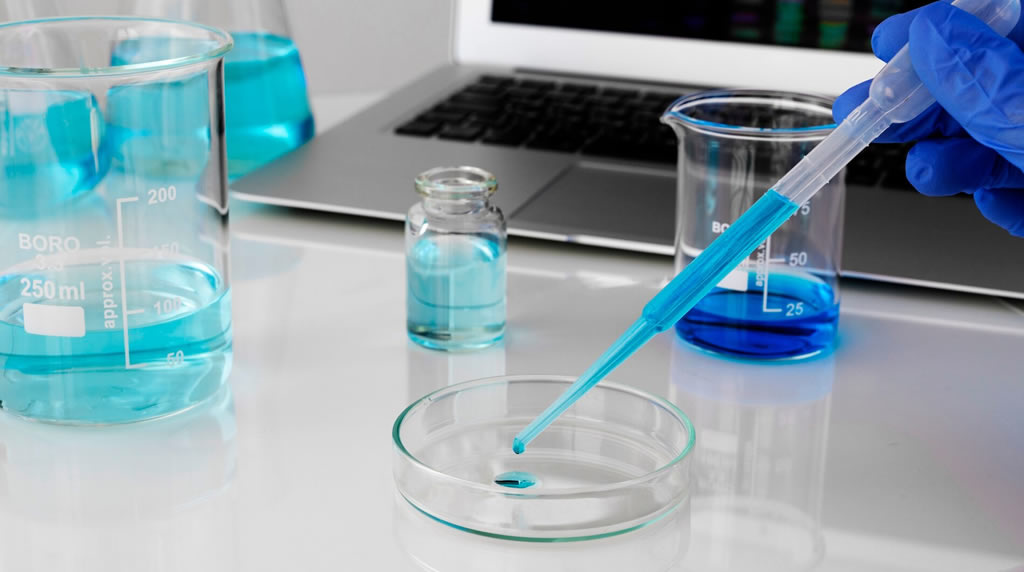
For generations, drinking water safety was measured by how well a supply removed “legacy” contaminants such as lead, arsenic, and bacteria, all long-recognized hazards. As analytical chemistry has grown more sensitive, laboratories can now identify a newer category of concerns known as emerging contaminants, which is why services like Microplastics water testing in Queens give […]
Why Municipal Water Still Needs Independent Laboratory Testing
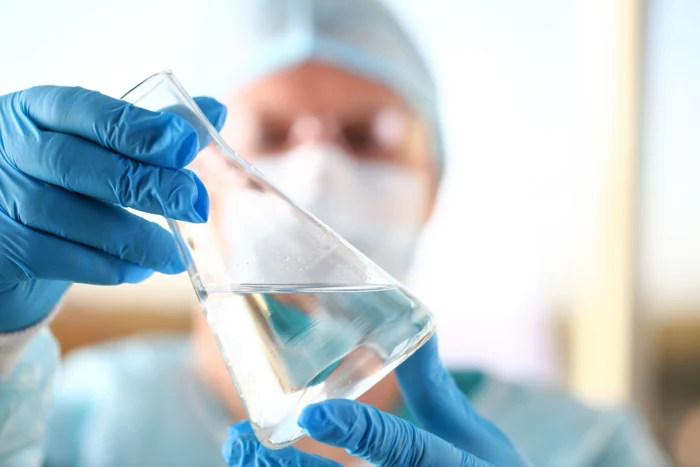
Municipal drinking water testing in Brooklyn gives homeowners something that citywide water quality reports cannot: a clear picture of what is actually coming out of their own taps. In urban and suburban neighborhoods, municipal supplies are heavily regulated and routinely monitored, which leads many residents to assume their water is safe from the treatment plant […]
The Role of Certified Scientists in Water Quality Testing
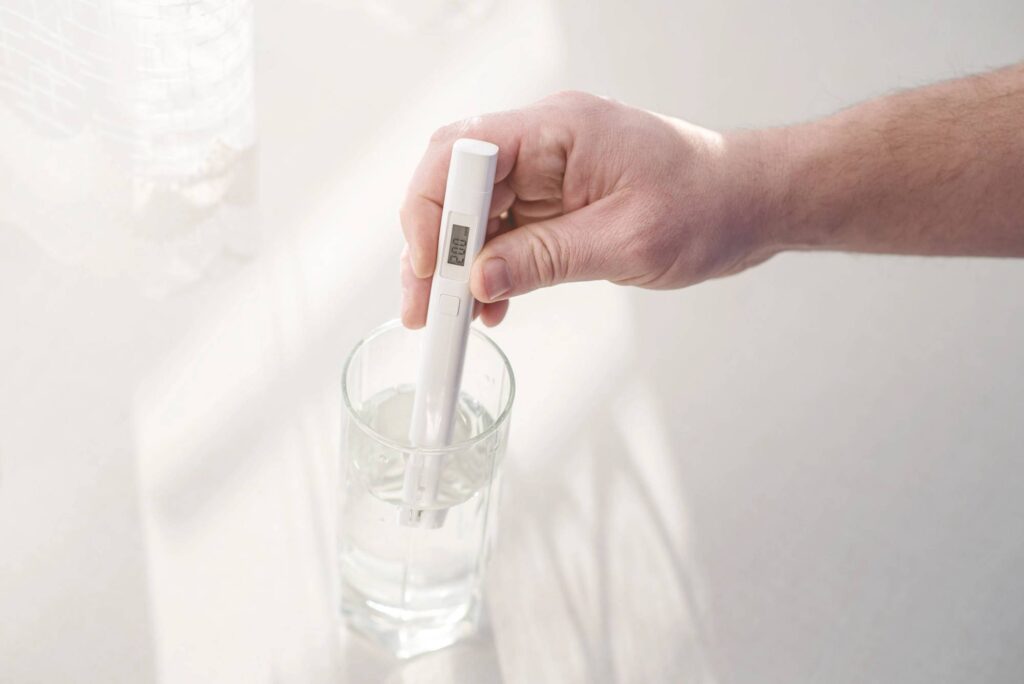
When you receive a water analysis report, it is easy to view it simply as a document containing numbers. However, those numbers are the product of complex scientific processes, rigorous quality control, and the expertise of certified professionals. Water quality testing is far more than just “pouring a sample into a machine”—it is a disciplined […]
How Water Testing Labs Ensure Accurate Chain-of-Custody

When you submit a water sample for analysis, NYC certified water testing specialists protect the integrity of that sample long before it reaches an instrument, because laboratory precision alone cannot guarantee a valid result. If a sample is compromised in transit or its origin cannot be verified, even the most advanced analytical equipment will produce […]
Differences Between Field Testing and Laboratory Water Analysis
When you start looking into the safety of your well water, you are likely to encounter two different approaches to quality assessment: field testing and laboratory analysis. At first glance, both seem to promise the same thing—answers about what is in your water. However, the two methods are fundamentally different in terms of their precision, […]